Your Breathing Changes With Age — How to Support Lung Strength
Breathing is something we rarely think about — until it feels harder than it used to.
As we get older, it’s normal to notice slight changes: feeling out of breath faster, needing deeper breaths, or feeling tighter across the chest during activity.
These shifts don’t usually signal anything serious. More often, they’re the result of natural age-related changes that affect how efficiently your lungs, muscles and posture work together.

Why Breathing Changes With Age
Your lungs don’t lose function overnight — the changes happen gradually.
But after 50, several factors begin to influence how easily air moves in and out of your body.
Common reasons include:
Reduced lung elasticity, making it harder for the lungs to expand fully
A weaker diaphragm, the main muscle responsible for breathing
Stiffer rib joints, limiting how wide the chest can open
Posture changes, especially rounding of the upper back
Slower circulation, meaning oxygen takes longer to reach muscles
These shifts aren’t dangerous — they simply mean you benefit more from maintaining strength, posture and movement.

Daily Habits That Affect Lung Function
Breathing isn’t just about the lungs themselves — everyday habits influence it more than most people realise.
You may notice breathing feels harder when:
You sit for long periods with your chest compressed
Stress leads to shallow, upper-chest breathing
You’re dehydrated, which affects airway moisture
You haven’t moved much during the day
Allergies or irritants tighten the airways
Extra weight around the abdomen restricts lung expansion
Small daily patterns — especially sitting in one position for too long — can have a larger effect than age itself.
What Actually Helps Your Breathing
Improving breathing doesn’t require intense exercise.
Gentle, consistent habits help the most.
Helpful approaches include:
Deep-breathing practice, focusing on slow belly expansion
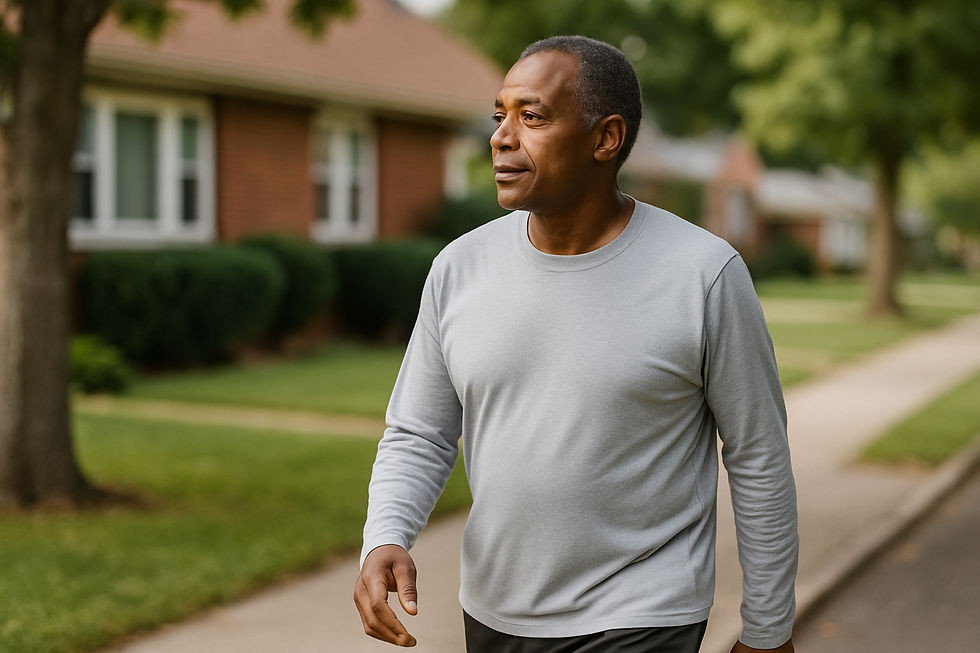
Short daily walks, boosting circulation and oxygen flow
Posture resets, opening the chest and lengthening the spine
Strengthening the core and back, supporting easier lung expansion
Keeping rooms ventilated, reducing irritants
Staying hydrated, which helps keep airways comfortable
These small adjustments help your lungs work more efficiently — often within days or weeks.
When It’s Worth Checking
Most breathing changes after 50 are normal and respond well to lifestyle adjustments.
However, if you experience ongoing shortness of breath, chest pain, severe wheezing or breathlessness at rest, it’s important to seek medical advice.
For the majority of people, though, breathing simply becomes more noticeable as the body changes — not more dangerous.
Takeaway
Breathing naturally shifts with age due to changes in muscle strength, posture and lung elasticity.
But with simple movements, posture awareness and daily breathing habits, you can support stronger, easier breathing at any age.


Comments